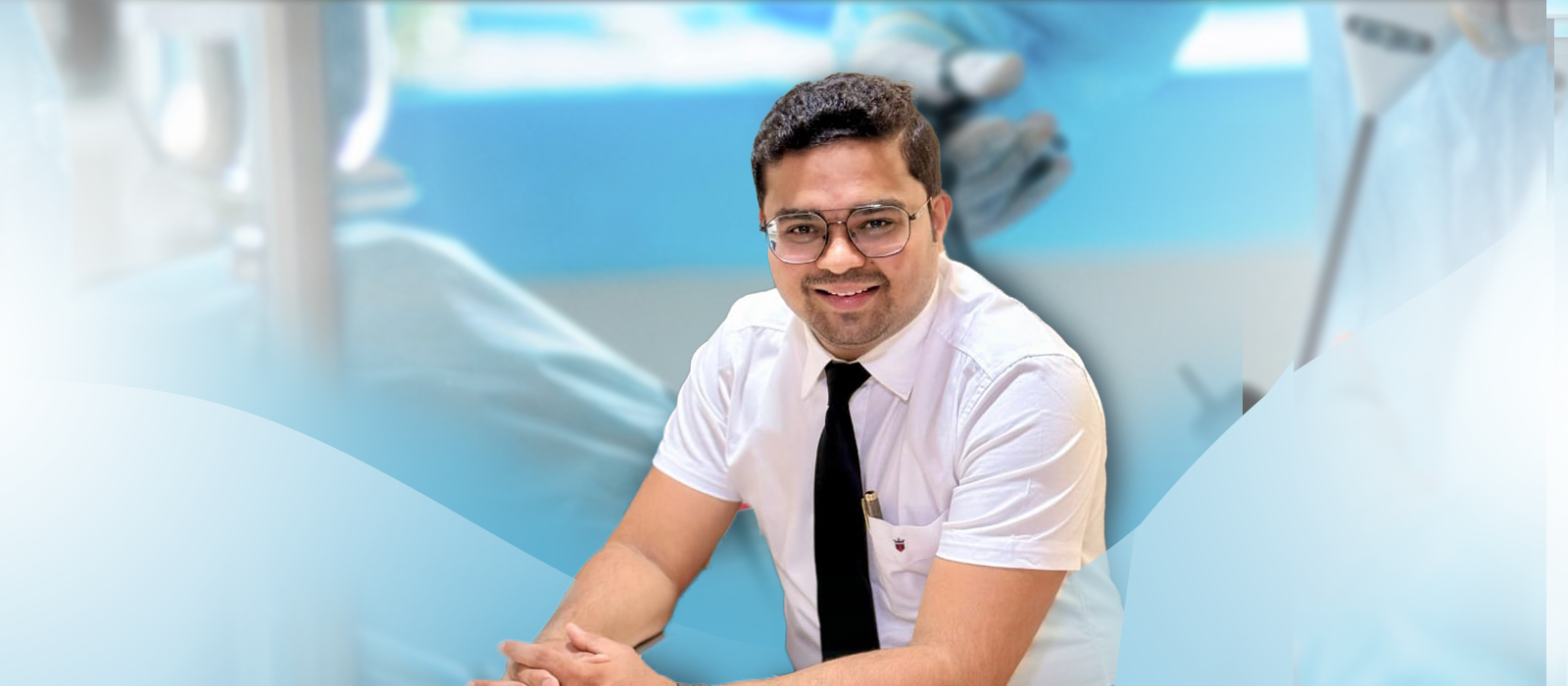
Dr. Chintan M. Sangoi (MBBS, MS, FMAS, FIAGES, FALS) is a highly skilled and experienced General and Laparoscopic Surgeon based in Mumbai, currently practicing at leading hospitals across Ghatkopar, Kurla, Chembur, Govandi, and Thane. He completed his MS in General Surgery from Pravara Institute of Medical Sciences and holds multiple advanced surgical fellowships.
With a strong clinical background, Dr. Sangoi has been trained at premier institutions like P.D. Hinduja Hospital , Rajawadi Hospital and Dr. L.H. Hiranandani Hospital in Mumbai, and has served as a consultant surgeon internationally in Life Group of Hospitals, Kenya. His expertise spans a wide range of procedures including laparoscopic appendectomy, cholecystectomy, hernia repairs, breast and thyroid surgeries, trauma surgeries, proctology, laser and endoscopic surgeries.
Dr. Sangoi is also actively involved in research and academics, with several publications and accolades including best paper and poster presentations at national conferences. His patient-first approach, precise surgical skills, and commitment to continuous learning make him a trusted and compassionate surgeon in Mumbai. Whether handling emergency cases or performing complex minimally invasive procedures, Dr. Sangoi is dedicated to delivering high-quality, evidence-based care to his patients.
- Call Us: 8779587646
- Email Us: drchitansangoi@gmail.com
Comprehensive Surgical Expertise with a Minimally Invasive Focus
Advanced, Patient-Centered Care Across a Wide Range of Specialties
.png)
Expert Surgical Care, Right Here in Mumbai
Minimally invasive surgeries with quicker recovery times
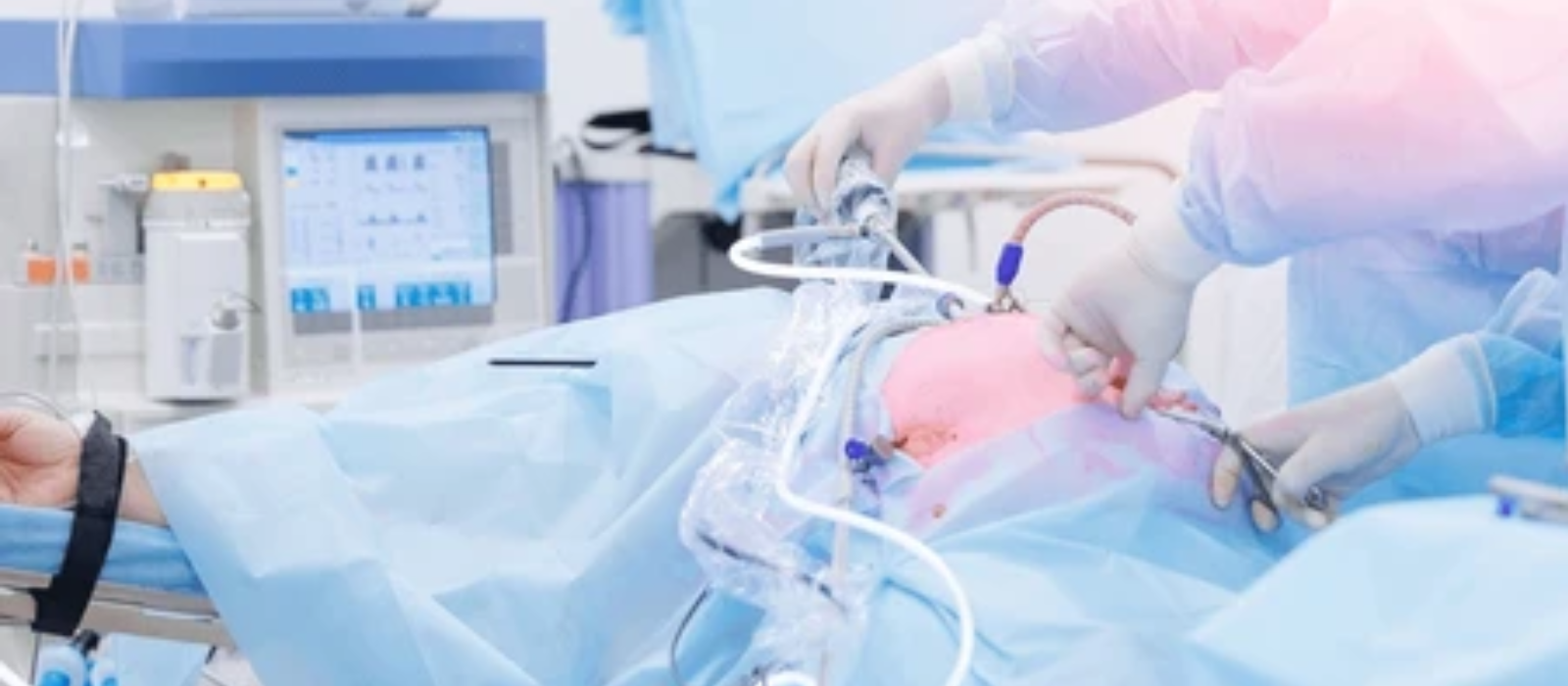
Compassionate Healthcare, Cutting-Edge Solutions
Advanced treatments delivered with empathy and precision

Trusted Hands for Every Surgical Need
Personalized care with expert surgical precision in Mumbai

.png)
.png)
.png)
Dr. Chintan M. Sangoi
About Us
Expert General and Laparoscopic Surgery with Compassionate Care
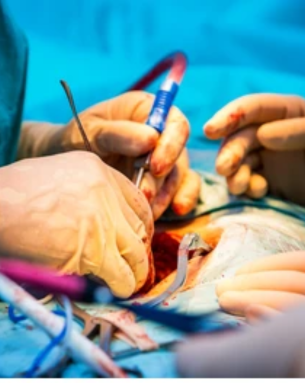
Dr. Chintan M. Sangoi is a dedicated and skilled General, Laparoscopic and Laser Surgeon based in Mumbai, with extensive experience in a wide range of surgical procedures. Holding prestigious fellowships including FMAS, FIAGES, and FALS, He is known for his expertise in minimally invasive techniques, offering patients faster recovery and reduced post-operative discomfort. His areas of specialization include laparoscopic appendectomy, cholecystectomy, hernia repairs, trauma surgeries, breast and thyroid surgeries, endoscopic interventions, laser and proctology.
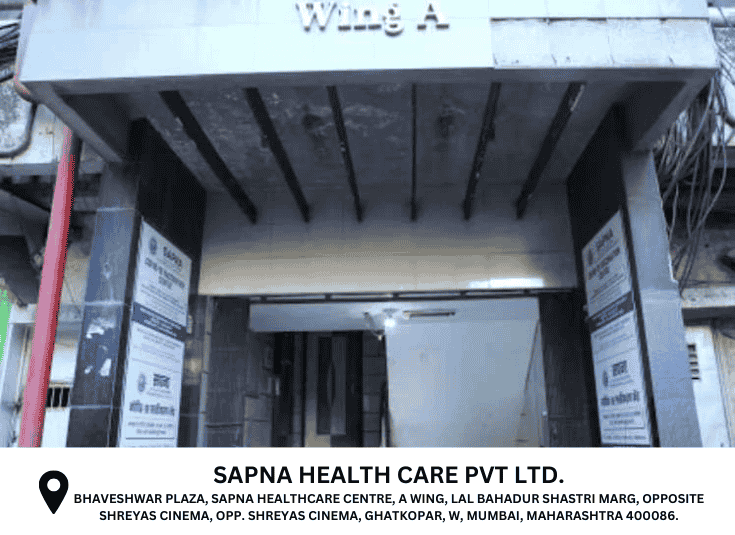
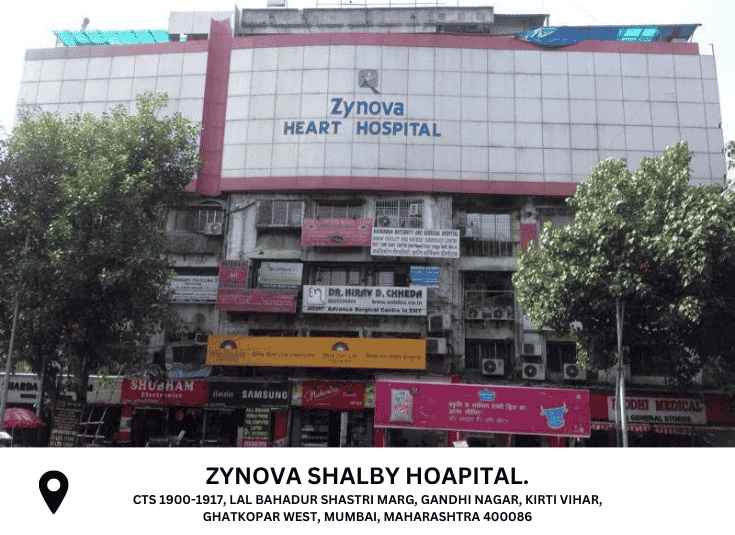
Dr. Sangoi currently serves as a Consultant General Surgeon across several reputed hospitals in Mumbai, including Zynova Shalby Hospital, CritiCare Asia Hospitals (Kurla, Malad, Andheri, Juhu), Sapna Health Care, Khushal Hospital, Platinum Group of Hospitals (Thane), Parakh Hospital, Shree Mahavir Jain Hospital (Thane), and Kaizen Hospital (Thane). His international experience includes a tenure as Consultant General Surgeon in Kenya, enriching his clinical exposure and adaptability across diverse healthcare settings.
His previous experience includes working with Dr. L.H Hirandani Hospital, P.D Hinduja and Rajawadi Hospital.
With a keen interest in research and academic contribution, Dr. Sangoi has published several papers in peer-reviewed journals, particularly focusing on benign breast diseases and laparoscopic innovations. One of his remarkable achievements includes, winning Best Paper and Poster Presentation at JIPMER, Pondicherry. He is also a passionate educator, actively involved in training and mentoring young surgeons.
Dr. Sangoi combines his surgical expertise with strong patient communication skills, ensuring holistic and compassionate care. His commitment to clinical excellence and patient-centric values make him a trusted name in general, laparoscopic and laser surgery in Mumbai.
10+
years of Experience
15K+
Laparoscopic Surgeries
30K+
Happy Patients
Our Specialization

Endoscopy

Laparoscopic Surgery

Minimal access Hernia surgery


Intervention Endoscopy
Our Healthcare Services
Advanced, Patient-Centered Care Across a Wide Range of Surgical Specialties
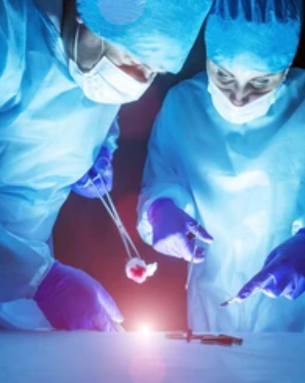
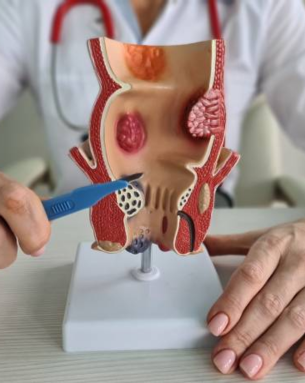
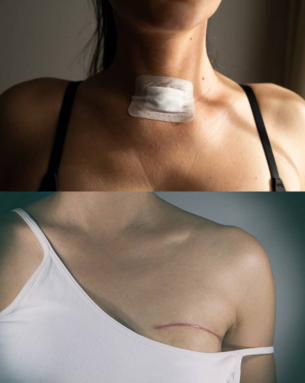
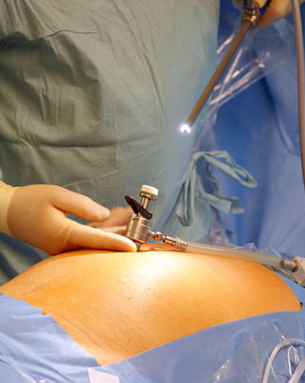
Dr. Chintan M. Sangoi
General Surgeon, Laparoscopic, Laser and General Surgeon
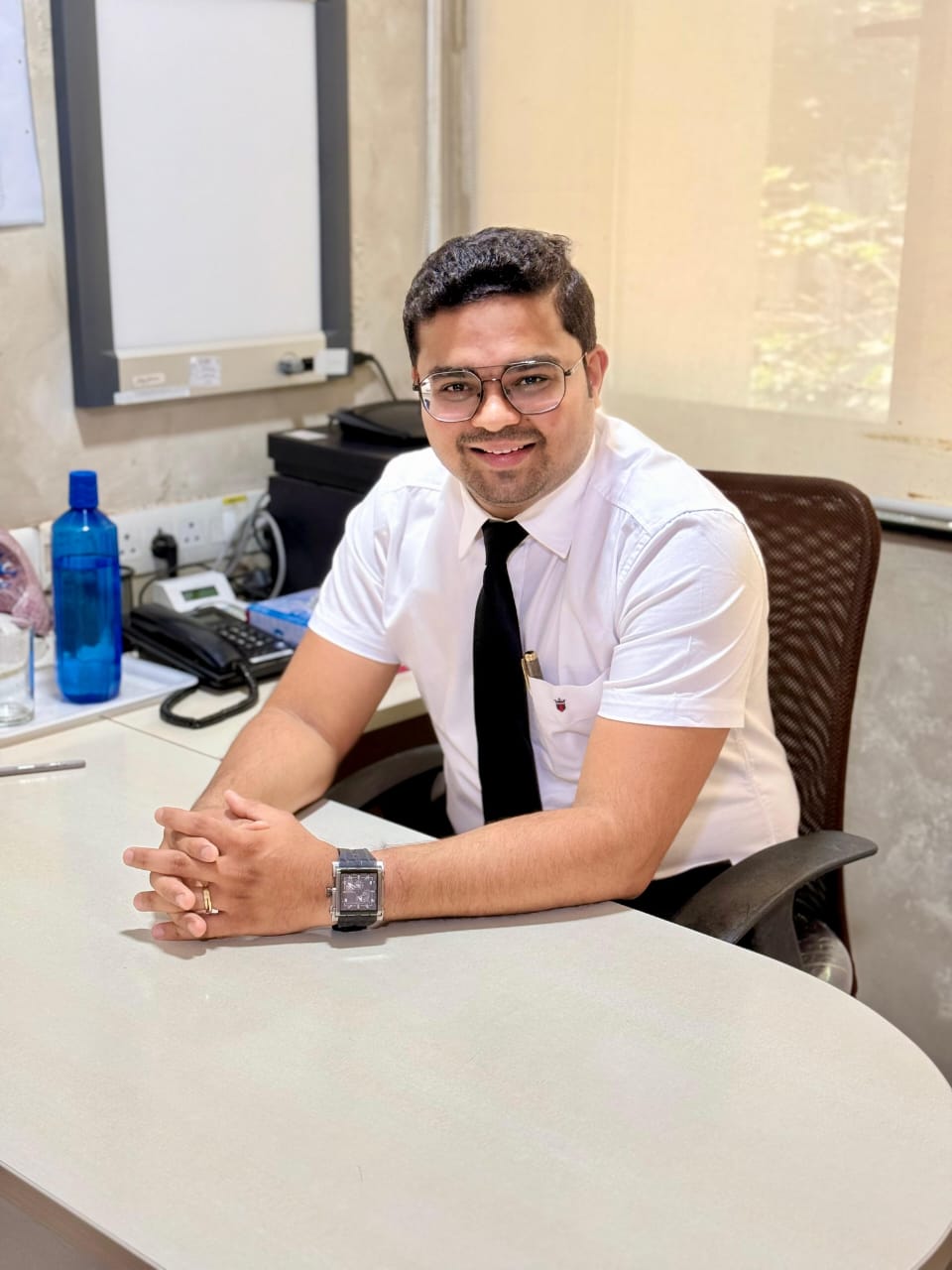
- MBBS,MS,FMAS,FIAGES,FALS
- 10.0 Years Of Experience
- Licence No. 2014094295-MMC
- Call
- Video Call
Testimonials
What our Patients says about us
I am extremely grateful to Dr. Chintan Sangoi for successfully performing my father’s gall bladder removal surgery. From the very beginning, the doctor explained everything clearly and patiently, which gave me a lot of confidence and peace of mind as a daughter. The surgery went smoothly, and my father’s recovery was handled with great care and attention. The doctor was professional, kind, and always available to address our concerns. Our family truly appreciates the dedication and support shown throughout the treatment. I highly recommend this doctor to anyone seeking excellent surgical care

Yoginee Velmurugan
I had fissure surgery done by Dr. Chintan Sangoi, and my experience was very good. The surgery was successful and the doctor handled my case with great care and professionalism. He explained the treatment clearly and made me feel comfortable before the procedure. The staff and overall treatment were also supportive. I am thankful to Dr. Chintan Sangoi for helping me recover from fissure pain. I highly recommend him to anyone facing similar problems.
Zaid Inamdar
I had an very good experience with Dr Chintan, I was suffering through some health issues past 8 months, I met him in February and got so much clarity with exactly what I was suffering through, which I was not able to get from the past doctors that I consulted, and within 15 days I got my surgery done and now I'm recovering through it, I honestly recommend him, you will feel you are in safe hands.
Shreya Kondavale
Media Pictures
Frequently Asked Questions
Need Answers? Find them here...
What makes Dr. Chintan M. Sangoi a preferred choice for laparoscopic and laser surgeries in Mumbai?
Dr. Chintan M. Sangoi (MBBS, MS, FMAS, FIAGES, FALS) is a sought-after General and Laparoscopic Surgeon in Mumbai due to his extensive training and experience. He has trained at top institutions like P.D. Hinduja Hospital and Dr. L.H. Hiranandani Hospital, and has international experience as a consultant surgeon in Kenya. His expertise in procedures such as laparoscopic appendectomy, hernia repairs, and laser surgeries, combined with his commitment to continuous learning and patient-first approach, makes him a trusted choice for surgical care across Ghatkopar, Govandi, and Thane.
What are laparoscopic surgeries and how do they differ from traditional surgeries?
Laparoscopic surgeries, often known as minimally invasive surgeries, use small incisions and a camera to visualize the area being operated on. Unlike traditional surgeries that require large openings, laparoscopic procedures offer reduced pain, faster recovery, and minimal scarring. This approach is widely used for various conditions, including gallbladder removal and hernia repair, providing an efficient option for patients seeking faster post-operative recovery.
How do laser surgeries work and what conditions can they treat?
Laser surgeries utilize focused light beams to efficiently treat specific areas, offering precision and minimal damage to surrounding tissues. This technology can address a range of conditions, including proctology issues like hemorrhoids and varicose veins, as well as certain skin disorders. The reduced pain and quicker recovery compared to conventional methods make laser surgeries a preferred choice for suitable medical cases in Mumbai.
What proctology conditions can be addressed through surgical intervention?
Proctology deals with diseases of the rectum and anus. Common conditions requiring surgical intervention include hemorrhoids, anal fissures, and rectal prolapse. Both laparoscopic and laser surgeries offer advanced options for treatment, minimizing recovery time and alleviating symptoms effectively. Patients in Mumbai can consult with specialists to determine the most suitable surgical approach based on the severity and specifics of their condition.
Are breast and thyroid surgeries safe, and what do they entail?
Breast and thyroid surgeries are generally safe when performed by experienced surgeons. Breast surgeries may involve lumpectomy, mastectomy, or reconstruction depending on the condition, while thyroid surgeries often focus on partial or total thyroidectomy to treat cancer or goiter. Advancements in surgical techniques, including endoscopic and laser methods, offer improved safety profiles, making recovery quicker and more comfortable for patients.
What constitutes trauma surgeries and when are they necessary?
Trauma surgeries are performed in response to injuries sustained from accidents or violent incidents. These surgeries aim to repair life-threatening damage, such as internal bleeding or broken bones, quickly and effectively. Laparoscopic and endoscopic techniques are increasingly used in these scenarios to address certain types of injuries with precision while minimizing further trauma, ensuring optimal recovery outcomes for patients requiring emergency care.
How do endoscopic surgeries improve patient outcomes?
Endoscopic surgeries involve using a camera-equipped tube (endoscope) to perform procedures through natural openings or small incisions. This approach offers excellent precision, particularly in gastrointestinal and urological surgery. For patients, the benefits include less post-operative pain, lower infection risks, and faster recovery times. Many patients in Mumbai opt for endoscopic surgeries for conditions like gallstones or chronic sinusitis, appreciating the minimally invasive nature and rapid recuperation.
What are the advantages of opting for laparoscopic surgeries in Mumbai?
Mumbai offers advanced medical facilities and experienced laparoscopic surgeons who ensure optimal patient outcomes. The benefits of laparoscopic surgeries include smaller incisions, less pain, decreased infection risks, and a quicker return to daily activities. These surgeries can effectively treat various conditions, such as hernias, appendicitis, and specific gynecological issues, providing a reliable and efficient treatment option, especially when performed by trained experts.
Can laser surgeries be used for cosmetic procedures?
Yes, laser surgeries are widely utilized in cosmetic procedures due to their precision and effectiveness in minimizing tissue damage. In Mumbai, laser technologies are employed for skin rejuvenation, scar removal, and tattoo removal, among other treatments. The benefits include decreased recovery time and improved aesthetic results compared to traditional methods, appealing to patients seeking cosmetic enhancements with minimal downtime.
Do proctology surgeries require hospitalization, and what is the recovery process like?
The need for hospitalization in proctology surgeries depends on the procedure's complexity. Minimally invasive techniques, such as laser surgeries, often allow for outpatient care, meaning patients can return home the same day. Recovery typically involves minimal discomfort, and patients can resume regular activities relatively quickly. However, for more intricate procedures, like anal fistula repairs, a short hospital stay may be necessary, followed by a brief recovery period guided by the surgeon's advice.
What are the key considerations before undergoing breast or thyroid surgeries?
Before proceeding with breast or thyroid surgeries, patients should consult extensively with their healthcare provider to understand the procedure's scope, benefits, and potential risks. Factors like medical history, specific health conditions, and surgical goals will influence the approach. Surgeons may recommend imaging tests, biopsies, or blood work to ensure accurate diagnosis and preparation, aiming to deliver successful surgical outcomes with minimal complications.
How do trauma surgeries differ from elective surgeries?
Trauma surgeries are performed urgently to address injuries from accidents or emergencies, focusing on life-saving measures. Unlike elective surgeries, which are planned procedures with significant preparation, trauma surgeries prioritize immediate intervention to stabilize the patient and prevent further harm. Surgeons must act swiftly, often using laparoscopic and endoscopic techniques where applicable, to manage internal damage and foster recovery in high-pressure scenarios.
What post-operative care is required after endoscopic surgeries?
Endoscopic surgeries generally require less intensive post-operative care due to their minimally invasive nature. Patients are often advised to rest and limit physical exertion initially to promote healing. Depending on the surgery's type, a specialized diet or medications may be recommended. Follow-up appointments ensure the recovery process is on track, and complications are promptly addressed, enhancing patient comfort and the surgery's effectiveness in treating the underlying condition.
Location & Location Map
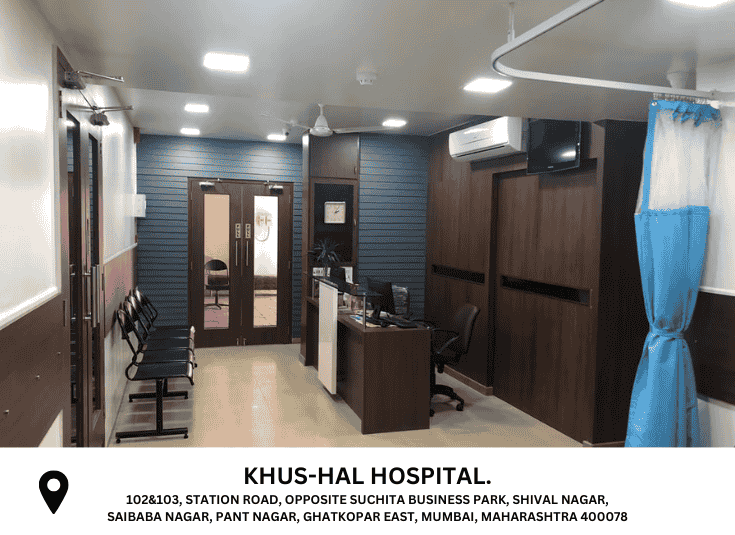
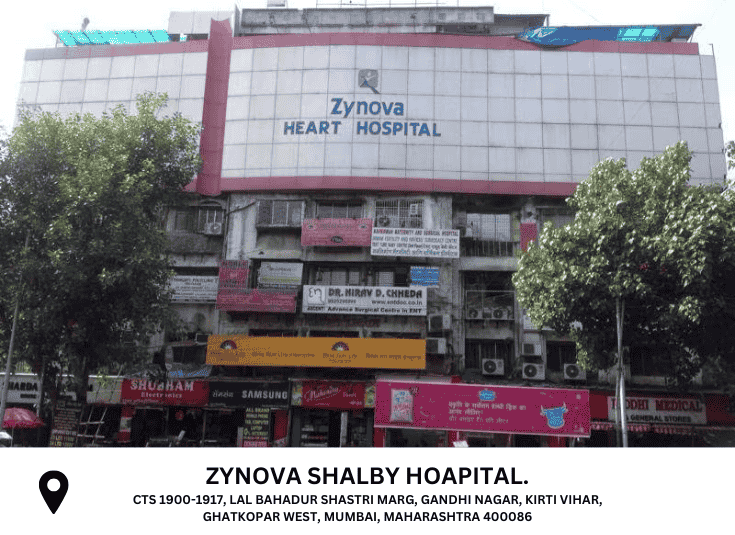
 Address :Sapna health care pvt ltd. Bhaveshwar Plaza, Sapna Healthcare centre, A Wing, Lal Bahadur Shastri Marg, opposite Shreyas Cinema, opp. Shreyas Cinema, Ghatkopar, Mumbai 400086, Maharashtra Address :CritiCare Asia multispeciality hospital. Building No 1, Kirol Rd, off Lal Bahadur Shastri Marg, near Kohinoor International School, Ali Yavar Jung, Kurla West, Kurla, Mumbai 400070, Maharashtra Address :Zynova Shalby hoapital. CTS 1900-1917, Lal Bahadur Shastri Marg, Gandhi Nagar, Kirti Vihar, Ghatkopar, Mumbai 400086, Maharashtra Address :Khus-hal hospital. 102&103, Station Road, opposite Suchita Business Park, Shival Nagar, Saibaba Nagar, Pant Nagar, Ghatkopar East, Mumbai 400078, Maharashtra


Working Hours
MONDAYClosed
TUESDAYClosed
WEDNESDAYClosed
THURSDAYClosed
FRIDAYClosed
SATURDAYClosed
SUNDAYClosed
Contact Us
What We Offer
Contact Us
- Email: drchitansangoi@gmail.com
- Phone: 8779587646
Social Media connect:


Website Powered by icareheal